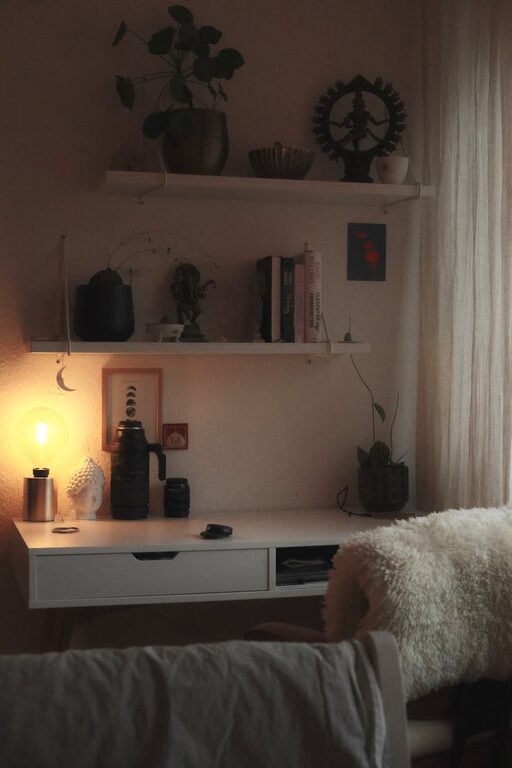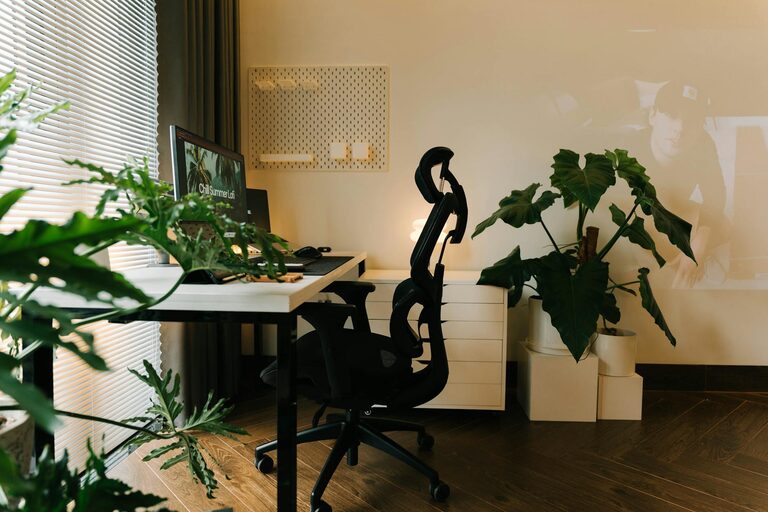



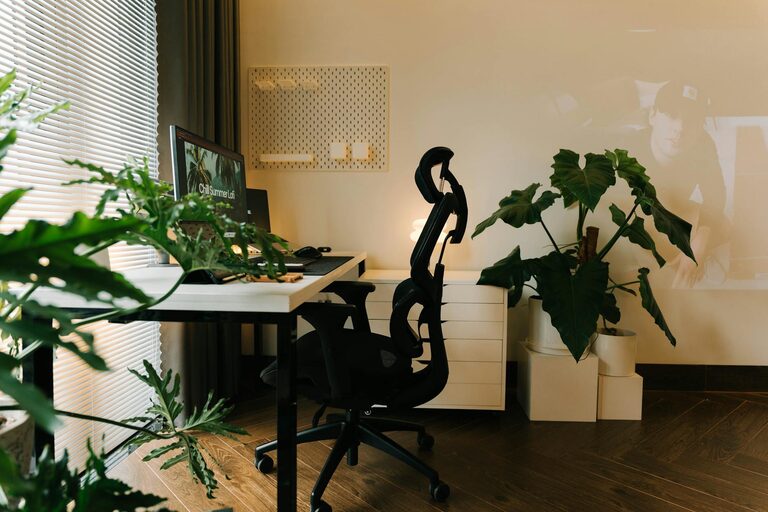
Creating a home office that feels both cozy and productive is a goal many people share, especially as more work from home opportunities arise. A well-designed workspace can improve focus, reduce stress, and make your workday more enjoyable. Here are some practical tips to help you set up a home office that encourages productivity while being a comfortable place to spend your time.
Choose the Right Location
Find a Quiet Spot
Select a part of your home that experiences the least amount of noise and distractions. This could be a spare room, a corner in your bedroom, or even a section of the living room with a dedicated desk.
Consider Natural Light
If possible, set up your office near a window. Natural light is proven to boost mood and energy levels. Position your desk so that sunlight illuminates your workspace without causing screen glare.
Invest in Comfortable Furniture
Ergonomic Chair
An adjustable chair that supports your posture helps prevent back and neck pain. Look for ergonomic chairs with lumbar support, adjustable height, and comfortable padding.
Functional Desk
Choose a desk that fits your available space and has room for your computer, notebooks, and other supplies. Standing desks or adjustable options are great if you want to alternate between sitting and standing.
Organize Efficiently
Declutter Regularly
Keep your desktop clear of unnecessary items. Use drawers, shelves, or storage boxes to store stationery, cables, and documents out of sight.
Use Organizational Tools
Desk organizers, file holders, and cable management systems can streamline your workspace. Label folders and containers to quickly find what you need.
Personalize Your Space
Add Cozy Touches
Incorporate elements that make the room inviting, like a soft rug, cushions, or a throw blanket. These touches can make your office feel warm and inspiring.
Include Plants
Houseplants not only add greenery and beauty but also improve air quality and create a calming atmosphere.
Use Art and Decor
Hang artwork, motivational quotes, or photos that inspire you. Personal decor helps create a space that feels yours and encourages creativity.
Optimize Lighting
Layer Your Lighting
Combine natural light with ambient lighting and task lighting. Use desk lamps to reduce eye strain when working in the evening or on cloudy days.
Select the Right Bulbs
Choose bulbs that emit soft white or daylight tones. Avoid overly harsh or dim lighting to maintain alertness and reduce fatigue.
Minimize Distractions
Use Headphones or White Noise
If your home environment is noisy, consider noise-canceling headphones or a white noise machine to help you focus.
Set Boundaries
Establish clear working hours and communicate them to family members or roommates to limit interruptions.
Manage Technology Wisely
Keep Cables Tidy
Use clips or cable sleeves to manage cords and power strips. This prevents tangles and keeps your desk looking neat.
Invest in Reliable Equipment
A good internet connection, a quality monitor, and a comfortable keyboard and mouse can significantly enhance your work experience.
Maintain a Healthy Routine
Take Breaks
Set a timer to remind yourself to stand, stretch, or take short walks. Moving around helps keep your mind fresh and reduces physical strain.
Stay Hydrated and Nourished
Keep a water bottle nearby and have healthy snacks on hand to sustain your energy throughout the day.
Final Thoughts
Designing a cozy and productive home office takes attention to both comfort and function. By choosing the right location, investing in ergonomic furniture, organizing your space efficiently, and adding personal touches, you can create an environment that supports your best work. Remember to prioritize good lighting, minimize distractions, and care for your well-being to make your home office a space you look forward to using each day.