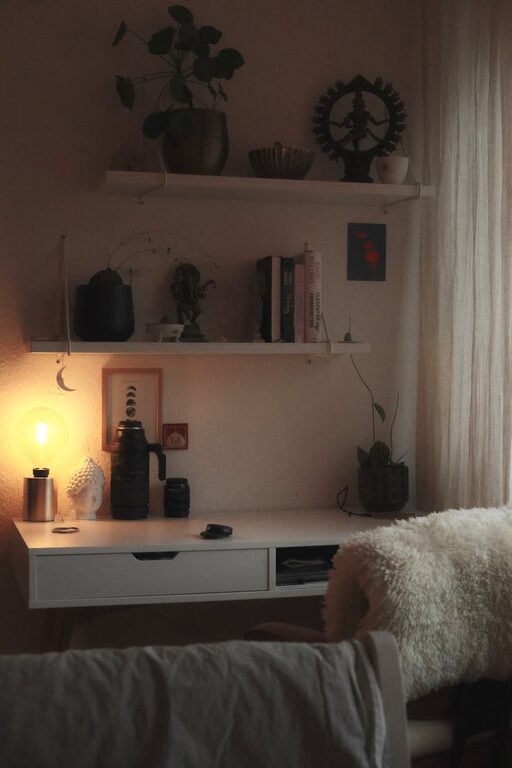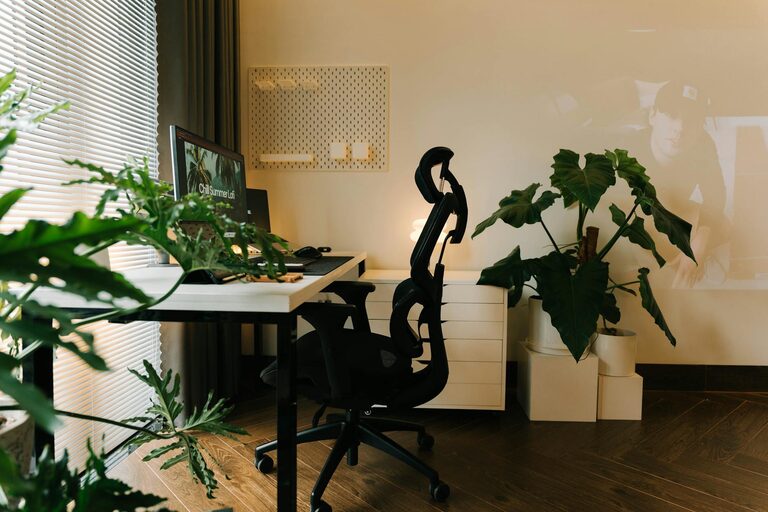






Creating a home office that feels both cozy and productive can make a significant difference in your workday experience. Whether you’re working remotely full-time or just need a dedicated corner for occasional tasks, designing a space that suits your needs helps you stay focused and comfortable. Here are tips to help you build a home office environment that feels inviting and supports your best work.
1. Choose the Right Location
Selecting the perfect spot in your home is the first step. Ideally, look for an area with plenty of natural light and minimal distractions.
– Natural light: Studies show natural light can improve mood and alertness. Position your desk near a window if possible.
– Away from traffic: Pick a quiet corner to reduce interruptions from family members or household noise.
– Space considerations: Make sure there’s enough room for your desk, chair, and storage without feeling cramped.
2. Invest in Comfortable and Supportive Furniture
Your furniture choices impact your comfort and posture, which in turn affect productivity.
– Ergonomic chair: Select a chair that supports your back and allows your feet to rest flat on the floor.
– Proper desk height: Your desk should let you work with relaxed shoulders and elbows at a 90-degree angle.
– Adjustable options: Consider height-adjustable desks that let you switch between sitting and standing during the day.
3. Organize for Efficiency and Clarity
Clutter can distract and slow you down while working. Keeping your space tidy and organized is key to productivity.
– Declutter regularly: Remove unnecessary items and papers to keep your desk clear.
– Storage solutions: Use shelves, filing cabinets, or drawer organizers to keep everything in its place.
– Cable management: Tidy up wires with clips or sleeves to prevent tangles and maintain a clean look.
4. Personalize Your Space Thoughtfully
Adding personal touches can make your home office feel more welcoming and inspiring without becoming overwhelming.
– Decor: Use calming colors, art pieces, or plants that you enjoy and that help create a pleasant environment.
– Inspirational items: Place a few motivating quotes, photos, or items that boost your enthusiasm.
– Comfort elements: A soft rug, cushions, or even a cozy throw can add warmth and make sitting for hours more pleasant.
5. Optimize Lighting for Every Task
Proper lighting reduces eye strain and keeps you energized.
– Natural daylight: Maximize window presence but use blinds or curtains to reduce glare.
– Task lighting: A good adjustable desk lamp can provide focused light for reading or close work.
– Ambient lighting: Make sure your entire workspace has even light to avoid sharp contrasts and shadows.
6. Minimize Distractions with Smart Technology
Technology is essential, but it can also cause distractions if not handled properly.
– Noise control: Use noise-canceling headphones or white noise apps to block background sounds.
– Focus tools: Apps that block distracting websites or limit phone notifications can help maintain concentration.
– Reliable equipment: Invest in quality hardware like a fast computer and stable internet for smoother work flows.
7. Bring Nature Indoors
Incorporating elements from nature can improve mental well-being and concentration.
– Plants: Small potted plants or succulents need little care and freshen the air.
– Natural materials: Wood, stone, or woven baskets can add texture and warmth.
– Views: Position your workspace so you can glance outside when you take breaks.
8. Create a Clear Work-Life Boundary
Separating work time from personal time is important to avoid burnout.
– Dedicated workspace: Even if your office is a shared room or corner, keep your work materials contained.
– End-of-day routine: Establish a habit to “close” your office space, like putting away your laptop or turning off your desk light.
– Consistent schedule: Set and stick to regular working hours as much as possible.
Conclusion
Designing a cozy and productive home office is about balancing comfort, functionality, and personal style. By choosing the right location, investing in supportive furniture, keeping organized, and incorporating calming elements, you create a space that invites focus and creativity. Remember to tailor your office to your needs and routines, and adjust it as your work habits evolve. With these tips in hand, your home office can become a place where you enjoy working and accomplish your goals every day.