
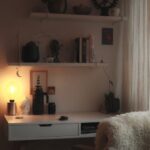






Creating a cozy and inviting home workspace is essential for anyone who spends significant time working from home. A well-designed workspace can boost productivity, reduce stress, and make long hours at your desk feel much more comfortable. Whether you have a dedicated room or just a corner in your living area, these tips will help you create a functional and welcoming workspace that suits your needs.
Choose the Right Location
Selecting the best spot in your home for your workspace is the first step. Ideally, pick a place with plenty of natural light—near a window is perfect. Natural light can improve mood and increase alertness. If natural light is limited, invest in good quality artificial lighting to reduce eye strain.
Also, consider the noise level. If possible, choose a quiet area where distractions are minimal. This will make it easier to focus and maintain productivity throughout the day.
Invest in Comfortable Furniture
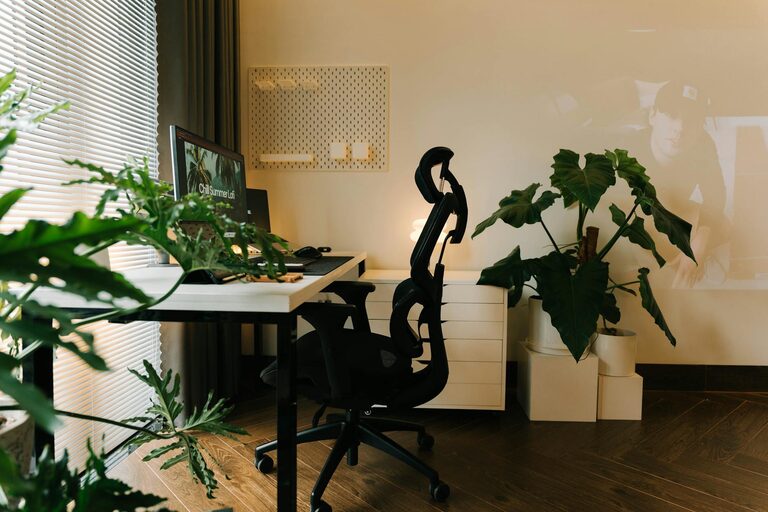
Comfort is key when designing a home workspace. An ergonomic chair that supports your back can prevent discomfort and long-term health issues. Similarly, a desk at the right height keeps your posture correct and helps you work more efficiently.
If space permits, consider adding a small sofa or cushioned chair nearby. This creates a cozy spot for reading or brainstorming away from your desk.
Personalize Your Space
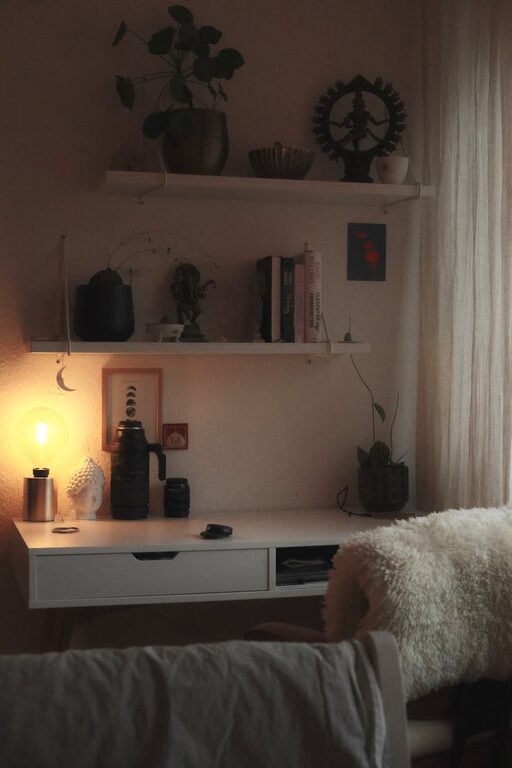
Adding personal touches helps make the workspace feel inviting. Decorate with items that inspire you, such as artwork, plants, or meaningful photos. Greenery is particularly beneficial—it adds color, improves air quality, and can have calming effects.
Keep it balanced, though. Too many decorations can create clutter and distraction. Choose a few meaningful pieces to make the space your own without overwhelming it.
Organize Your Workspace Efficiently
Clutter can hinder your focus. Organize your supplies using shelves, drawers, or storage boxes to keep everything tidy and within reach. Use cable organizers to manage cords and maintain a clean look.
Consider a bulletin board or whiteboard to jot down important reminders or ideas. This not only keeps your thoughts organized but also adds visual interest.
Use Calming Colors
The color scheme of your workspace affects your mood and productivity. Soft, neutral tones like beige, light gray, or pastel shades create a calm environment. If you prefer bolder colors, use them sparingly—consider accessories or small accents rather than painting all the walls.
Experiment with colors that you find relaxing and motivating. Your workspace should feel like a place you want to spend time in.
Optimize Lighting for Comfort and Efficiency
Good lighting reduces fatigue and boosts focus. In addition to natural light, use adjustable desk lamps that provide sufficient brightness without glare.
Warm lighting creates a cozy atmosphere, while cooler lights help keep you alert. Having options allows you to tailor the lighting based on your tasks and time of day.
Incorporate Technology Thoughtfully
Technology is essential for a home workspace but can also lead to clutter and distractions. Choose devices that meet your needs without overcrowding your desk.
Use wireless accessories to reduce cable mess. Set up your monitor and keyboard ergonomically to avoid strain. Taking the time to configure your tech properly improves comfort and efficiency.
Create Zones for Different Tasks
If your workspace is large enough, consider designating areas for specific activities. For example, a primary desk area for computer work and a separate spot for brainstorming, reading, or making calls.
This approach breaks up your workday and encourages movement, which can help maintain energy levels.
Add Cozy Elements
Finally, make your workspace cozy with soft textiles like cushions, throws, or rugs. These add warmth and comfort, making the room feel homier.
Scented candles or essential oil diffusers can also contribute to a pleasant environment, though be mindful of ventilation and any sensitivities.
Maintain Your Workspace
A cozy workspace requires ongoing attention. Regularly declutter and refresh your space to keep it inviting. Small changes like swapping out seasonal decor or updating your wall art can make your workspace feel new and inspiring.
—
By combining comfort, organization, and personal style, you can create a home workspace that feels welcoming and supports your productivity. Remember, the best workspace is one tailored to your unique preferences and work habits. Take time to experiment and adjust until it feels just right. Happy creating!